
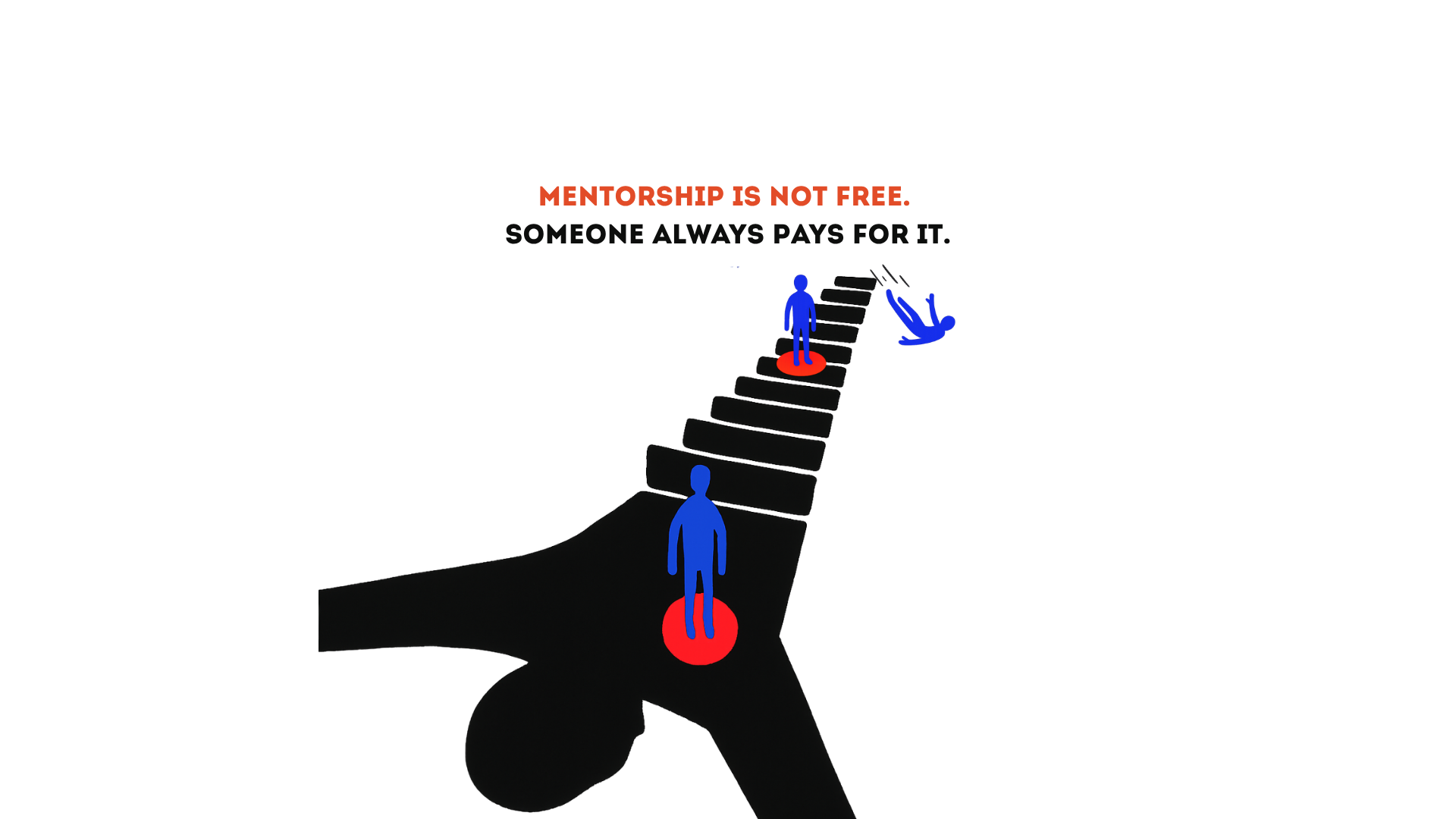
Mentorship Is Not Free. Someone Always Pays for It.
When talent shortages push companies toward mentoring and cross-training, the real cost often lands on senior staff — and leadership decisions determine whether teams grow stronger or burn out.
Talent shortages affected many teams in 2026.
And the default response was predictable: “Let’s invest in mentoring and cross-training.”
On paper, it sounds like a mature, responsible decision.
Specialized skills — AI, data engineering, risk management — were hard to find. Delivery slowed. So teams paired senior engineers with junior employees to spread knowledge and “build resilience.”
But here is the part leaders rarely say out loud:
mentorship is not free.
When you assign a senior to mentor without changing priorities, workload, or capacity, someone pays for it. Usually the same people who already carry the highest responsibility.
Yes, mentoring and cross-training can work.
Yes, they can strengthen teams for future challenges.
But only when leadership treats them as a system, not a workaround.
If mentoring is added on top of delivery targets, deadlines, and KPIs, it becomes a hidden tax on senior talent. Resistance grows. Quality drops. Burnout follows. And suddenly the “learning initiative” is blamed — instead of the decision-making behind it.
The real question for leaders is not “Should we mentor?”
It is “Who is paying for this — and did we plan for that cost?”
In many cases, a more sustainable solution is not to redistribute pressure inside the team, but to strengthen it structurally — by adding the missing expertise instead of stretching the same people further.
That is why more companies turn to Recruiter Outstaffing — providing the specialists to strengthen your team — as an alternative to forced mentorship. When the right specialists are added, learning becomes development again, not an additional burden.Mentorship isn’t free — it shifts workload to senior employees and risks burnout if unmanaged. Learn how leaders can balance mentoring, hiring strategy, and team performance in 2026.
Talent shortages affected many teams in 2026.
And the default response was predictable: “Let’s invest in mentoring and cross-training.”
On paper, it sounds like a mature, responsible decision.
Specialized skills — AI, data engineering, risk management — were hard to find. Delivery slowed. So teams paired senior engineers with junior employees to spread knowledge and “build resilience.”
But here is the part leaders rarely say out loud:
mentorship is not free.
When you assign a senior to mentor without changing priorities, workload, or capacity, someone pays for it. Usually the same people who already carry the highest responsibility.
Yes, mentoring and cross-training can work.
Yes, they can strengthen teams for future challenges.
But only when leadership treats them as a system, not a workaround.
If mentoring is added on top of delivery targets, deadlines, and KPIs, it becomes a hidden tax on senior talent. Resistance grows. Quality drops. Burnout follows. And suddenly the “learning initiative” is blamed — instead of the decision-making behind it.
The real question for leaders is not “Should we mentor?”
It is “Who is paying for this — and did we plan for that cost?”
In many cases, a more sustainable solution is not to redistribute pressure inside the team, but to strengthen it structurally — by adding the missing expertise instead of stretching the same people further.
That is why more companies turn to Recruiter Outstaffing — providing the specialists to strengthen your team — as an alternative to forced mentorship. When the right specialists are added, learning becomes development again, not an additional burden.Mentorship isn’t free — it shifts workload to senior employees and risks burnout if unmanaged. Learn how leaders can balance mentoring, hiring strategy, and team performance in 2026.